
PM Surya Ghar Yojana Jammu & Kashmir: Rooftop Solar Revolution Powers Thousands of Households
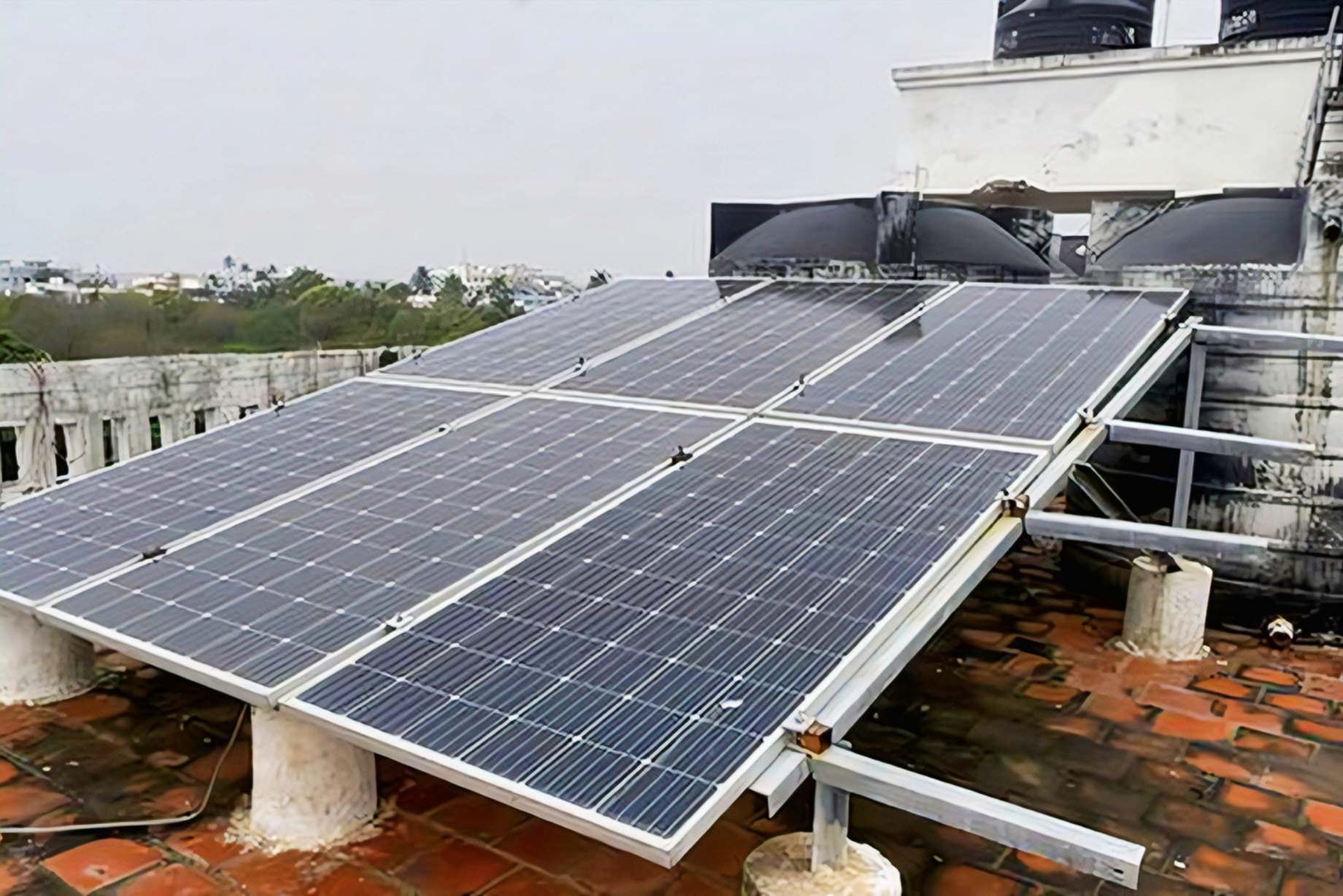
JAMMU January 21, 2026:- The implementation of the PM Surya Ghar: Muft Bijli Yojana (PMSGMBY) has reached a historic milestone in Jammu & Kashmir, successfully transitioning thousands of homes into self-sustaining powerhouses.
By providing up to 300 units of free electricity monthly through grid-connected rooftop solar systems, the scheme is fundamentally reshaping energy consumption across the Union Territory.
As of late December 2025, the UT has seen the installation of 17,998 rooftop systems, with over 16,000 already commissioned and actively feeding clean energy into the grid. This progress is backed by a massive financial commitment, with the Central and UT governments disbursing a cumulative ₹132.56 crore in subsidies to nearly 15,000 beneficiaries, ensuring that renewable energy is both accessible and affordable for the common citizen.
The success of the scheme is largely attributed to a highly attractive and consumer-friendly subsidy structure. For instance, a standard 1 kW system costing approximately ₹55,000 is offset by a combined subsidy of ₹36,000, drastically lowering the entry barrier for middle and lower-income families.
For larger 3 kW setups, the total subsidy climbs to ₹94,800. To further ease the transition, the UT administration has facilitated a robust lending environment, with over 16,000 loans disbursed at a preferential interest rate of roughly 7% per annum.
This financial framework, which covers up to 95% of project costs, ensures that upfront capital is no longer a hurdle for households aiming for energy independence.Beyond financial incentives, the J&K Administration has prioritized transparency and technical excellence through a fully digital delivery model.
With over 86,000 applications received via the national portal and a network of 1,403 registered vendors, the ecosystem is primed for rapid scaling. To ensure long-term system reliability, the government has trained 2,600 engineers and conducted nearly a thousand awareness campaigns.
Under the direct oversight of the Chief Secretary and the implementation power of JPDCL and KPDCL, the Union Territory is not only reducing individual electricity bills to zero but also strengthening the regional grid. This decentralized energy revolution marks a decisive step toward a greener, self-reliant Jammu & Kashmir, contributing significantly to India’s national climate goals.