
OPS MAHADEV: A relentless hunt that delivered final justice to Pahalgam victims
BY Wani Majid
Srinagar April 21,2026 :- The heinous terror attack on innocent tourists at Baisaran, Pahalgam, on 22 April 2025, shocked the nation and stirred deep anguish across the country. The cold-blooded, execution-style killing of civilians, targeted on the basis of identity, stood out as an act of extreme brutality. For the Indian Army and security forces, it was not merely an incident; it was a call to action. Justice had to be delivered.
Within hours of the attack, Indian Army troops reached the site and began piecing together the sequence of events. Eyewitness accounts, including that of an Army officer present at the location, confirmed the involvement of three Pakistani terrorists. Swift intelligence fusion through human intelligence (HUMINT), technical inputs (TECHINT), and survivor-based identification led to the confirmation of the perpetrators as Sulaiman Shah, Hamza Afgani and Jibran Bhai of Lashkar-e-Taiba.
What followed was one of the most coordinated and sustained counter-terror operations in recent times. The initial response focused on sealing likely escape routes and preventing the terrorists from exfiltrating the Valley. A dynamic intelligence appreciation, based on time-space-force analysis, enabled security forces to quickly adapt to the terrorists’ movement patterns and expand the operational grid.
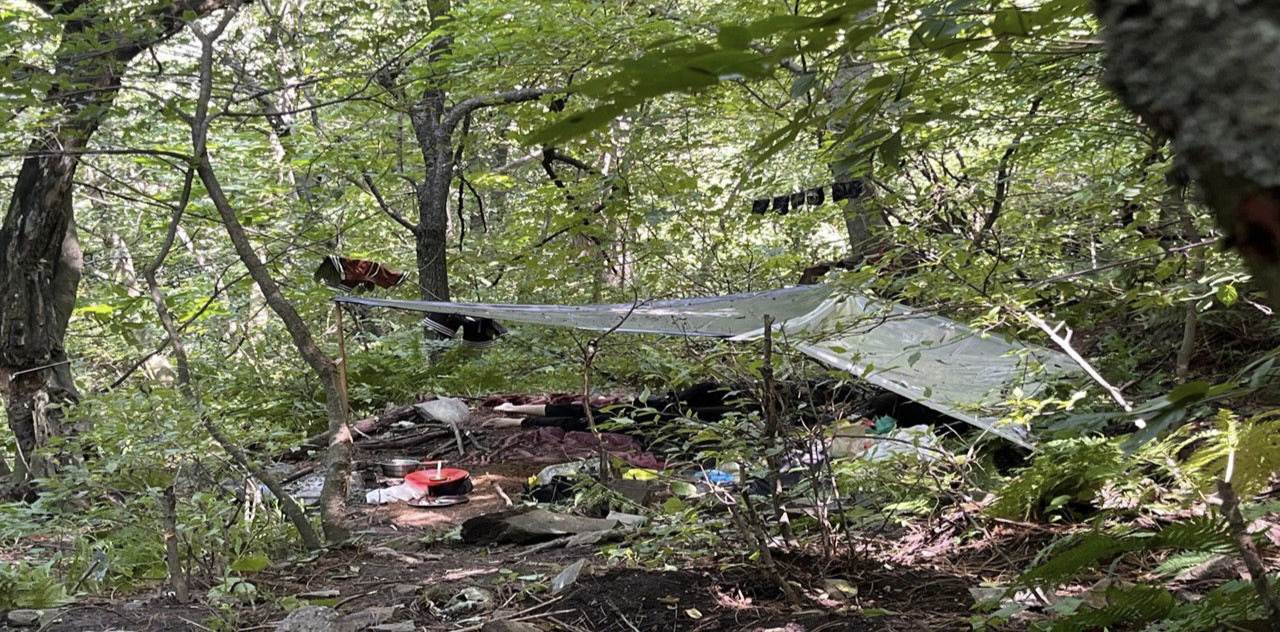
As intelligence inputs evolved, it became evident that the terrorists were moving through the upper reaches of South Kashmir i.e. Hapatnar, Bugmar and Tral, gradually gravitating towards the dense and rugged forests of Dachhigam along the Mahadeo Ridge. The terrain, marked by thick foliage and high altitude, offered temporary refuge but also posed severe constraints on movement, both for the terrorists and the pursuing forces.
By end May, a clear operational picture had emerged. The terrorists were attempting to exploit the difficult terrain to evade capture, even as the annual Yatra approached, raising concerns of potential interference. Recognising the gravity of the threat, the scope of the operation was expanded. Additional forces, including elite PARA (Special Forces) units, were inducted to intensify the hunt.
Over the next several weeks, a relentless multi-agency effort unfolded. Intelligence agencies, the Indian Army, Jammu & Kashmir Police, and Central Armed Police Forces worked in seamless coordination. The operational area, initially spread across over 300 square kilometres, was progressively reduced through sustained surveillance, cross-country pursuit and precise deployment of forces.
Technology played a decisive role. Drones, remotely piloted aircraft, electro-optical sensors and other advanced surveillance tools were extensively employed to track movement in the dense forested zones. Continuous intelligence validation ensured that the terrorists remained under pressure, with their options steadily shrinking.
On 10 July 2025, based on fresh intelligence inputs, Operation Mahadev entered its decisive phase. Large-scale, coordinated operations were launched across Lidwas, Harwan and Dachhigam. Troops were redeployed dynamically, and escape routes were systematically blocked, effectively isolating the terrorists within a confined zone.
After a relentless pursuit spanning over 250 kilometres and 93 days, the operational grid was finally compressed to a 25 square kilometre area. On 28 July 2025, in a meticulously planned and executed operation, a PARA (Special Forces) team undertook a stealthy approach through treacherous terrain, covering 3 kilometres on foot over 10 hours. In a swift and precise engagement, all three terrorists were neutralised, bringing the perpetrators of the Baisaran carnage to justice.
Operation Mahadev stands as a testament to the Indian Army’s resolve, professionalism and unwavering commitment to safeguarding the nation.