
J&K Panchayati Raj Director Reviews GPDP 2026-27 Progress: Pushes for Time-Bound Portal Uploads and Quality Planning
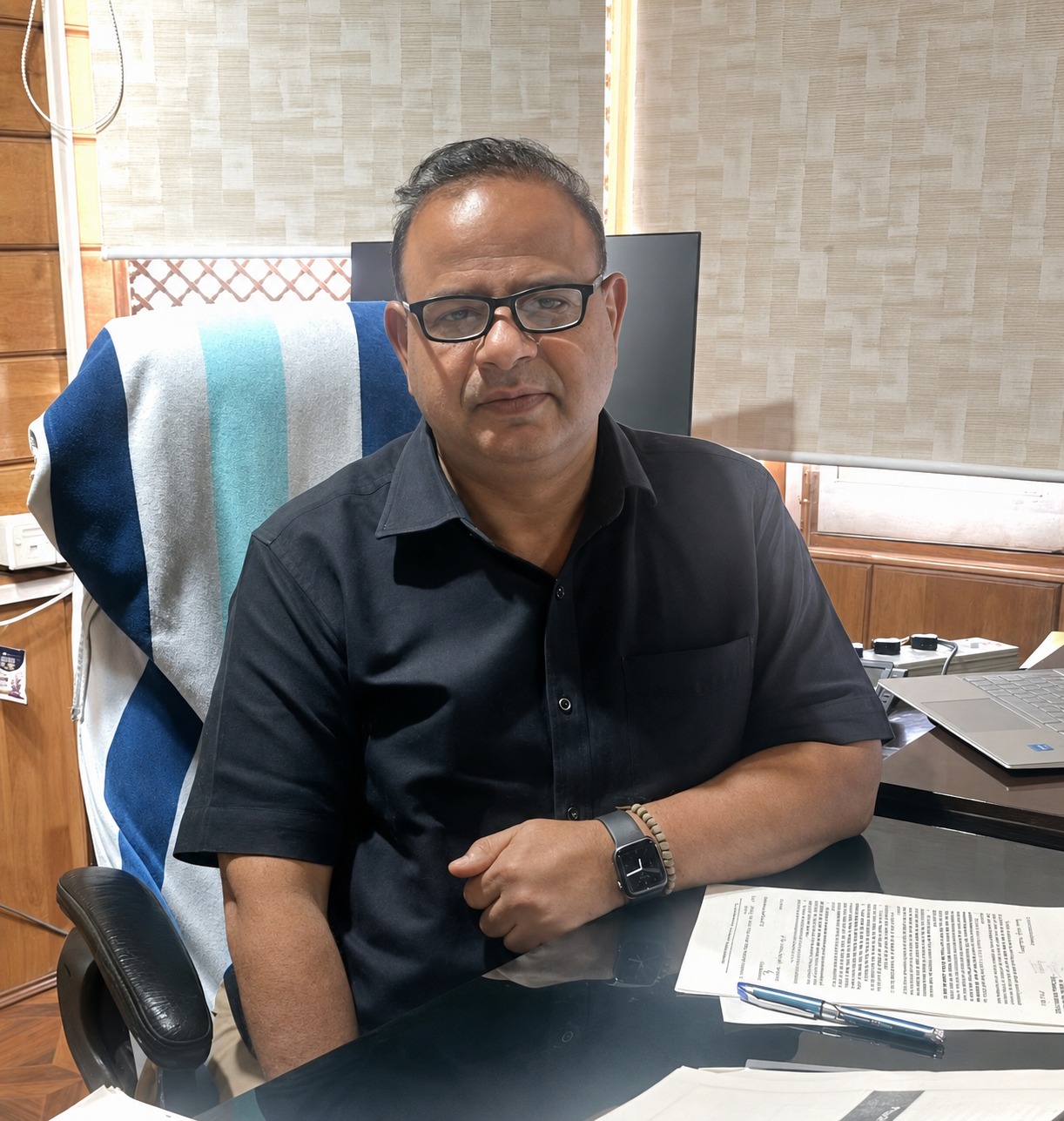
SRINAGAR, AUGUST 05 — Director of Panchayati Raj for Jammu and Kashmir, Riyaz Ahmad Wani, chaired a comprehensive review meeting to evaluate the execution and district-wise progress of the Gram Panchayat Development Plan (GPDP) for the 2026-27 planning cycle across all 20 districts of the Union Territory. The high-level session, attended by Assistant Commissioners Panchayat, Block Development Officers, and technical teams from the State and District Panchayat Resource Centres, focused heavily on accelerating progress, clearing administrative backlogs, and ensuring the seamless uploading of approved development plans onto the central e-GramSwaraj portal.
Addressing the significant gap between plan approval and portal documentation, Wani highlighted that out of 4,291 Gram Panchayats in the Union Territory, 3,627 GPDPs have been approved, but only 1,294 plans have been uploaded so far. Calling for immediate intervention, he directed district officials to convert all approved plans into digital uploads without delay, while ensuring that facilitator feedback, evidence from Gram Sabhas, and Public Information Board visual records are submitted simultaneously to maintain operational transparency.
The Director issued strict instructions targeting 285 specific Panchayats that require focused handholding and basic profile updates. Because these Panchayats are under direct monitoring by the Union Ministry of Panchayati Raj, officers were mandated to resolve local bottlenecks in coordination with technical support teams so these units can improve their planning quality score above 80. To ensure accountability, district heads were instructed to establish micro-plans, designate dedicated nodal officers for daily supervision, and resolve all pending land and infrastructure issues within a strict two-day deadline.
Emphasizing quality over numerical milestones, the review underscored that digital submissions must accurately reflect community decisions recorded during Ward Sabhas, Gram Sabhas, Mahila Sabhas, and Bal Sabhas. Districts were instructed to run random quality audits on uploaded plans, cross-verify community resolutions, and ensure project selections rely on thorough resource mapping and local need assessments. The agenda also assessed the construction status of Panchayat Ghars, inter-departmental synergy, and ground-level execution to build sustainable and people-centric rural infrastructure.
Financially, the meeting evaluated expenditure tracking and pending bill clearances under the Rashtriya Gram Swaraj Abhiyan scheme. Wani instructed district administrators to clear pending treasury bills rapidly and expedite utilization so that required Utilization Certificates can be submitted to the Ministry of Panchayati Raj for the timely release of the second financial installment. Warning that unspent allocations risk reallocation or surrender, he reiterated that daily progress tracking, strict oversight, and time-bound action are mandatory to meet the UT’s rural development targets for 2026-27.