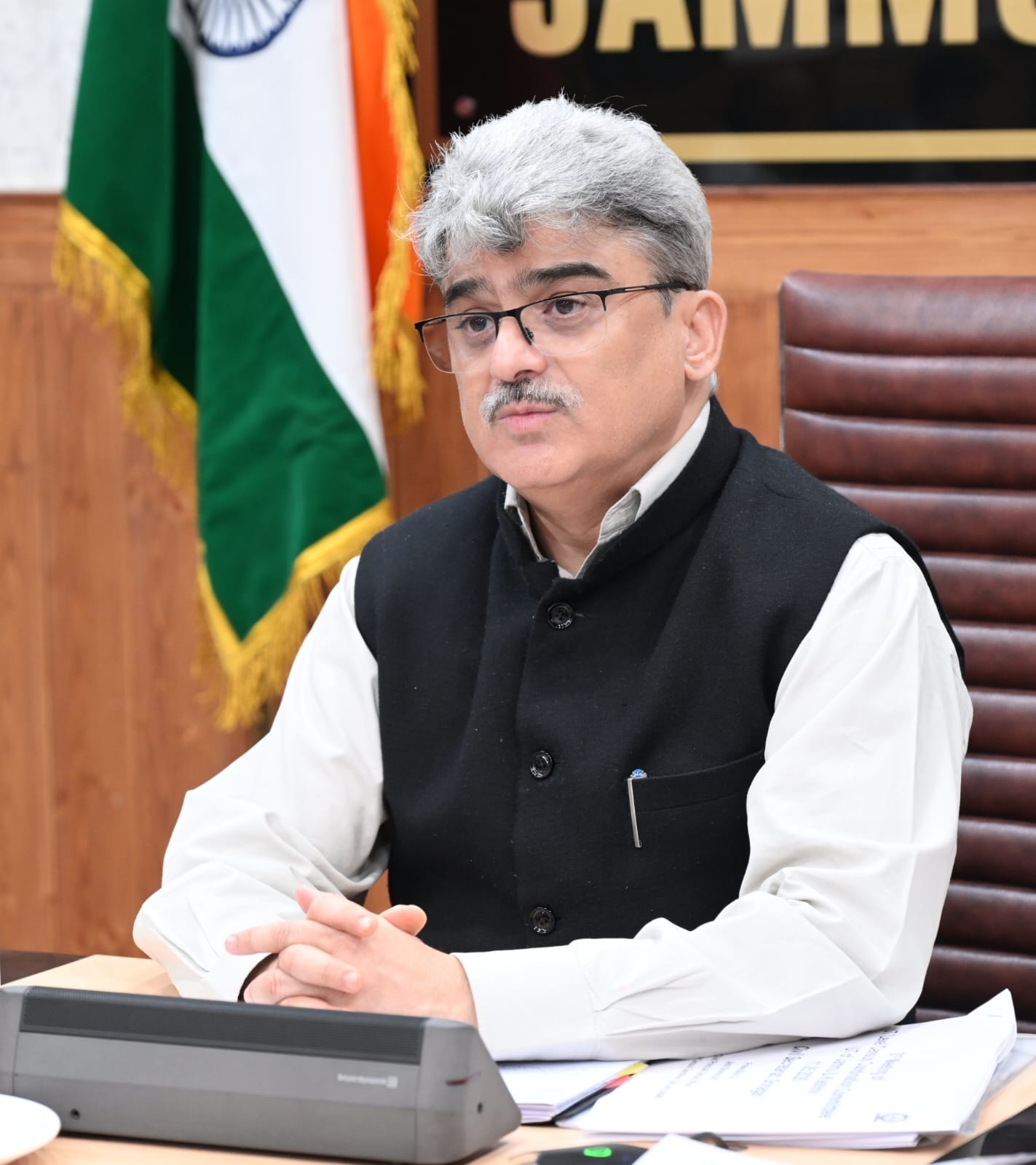
SRINAGAR, May 19 — Chief Secretary Atal Dulloo held detailed consultations with leading healthcare institutions and medical experts to formulate a comprehensive cancer control strategy aimed at strengthening awareness, screening, diagnosis, and treatment across the Union Territory.
The high-level meeting was attended by senior health officials, including the Commissioner Secretary of Health and Medical Education, the Director of SKIMS, and principals from various government medical colleges, alongside representatives from the Indian Council of Medical Research and the Tata Memorial Centre.
During the deliberations, Atal Dulloo outlined a broad framework to ensure a sustainable impact on the ground, emphasizing the need for extensive Information, Education, and Communication activities to generate public awareness about cancer prevention.
He stressed the importance of establishing a robust Cancer Registry for systematic data collection and analysis, alongside population-based screening in accordance with ICMR guidelines. The Chief Secretary observed that early detection and timely management remain critical for reducing the disease burden and improving survival outcomes for patients.
Reviewing the progress made so far, the Chief Secretary directed previously constituted expert committees to submit concrete action plans within one month following a detailed analysis of cancer prevalence and existing treatment facilities.
He also instructed the committees to assess requirements for capacity building and manpower strengthening within the regional healthcare sector.
Furthermore, the Health and Medical Education Department was asked to form a dedicated core team of professionals to ensure the coordinated and time-bound execution of the cancer control plan.
To make early detection a practical reality across the Union Territory, Atal Dulloo called for expediting the formulation of comprehensive screening guidelines in direct collaboration with the ICMR.
During the session, medical experts shared vital inputs regarding the local incidence of cancer and highlighted the distinct challenges patients face in accessing timely diagnostics, particularly in far-flung districts.
Participants concluded the meeting by offering actionable suggestions to improve the accessibility of oncology services and bring quality cancer care closer to patient homes.