
Micro-Targeting the Vulnerable: How Jammu and Kashmir Plans to Eradicate Multidimensional Poverty Using Fresh Data and Grassroots Convergence
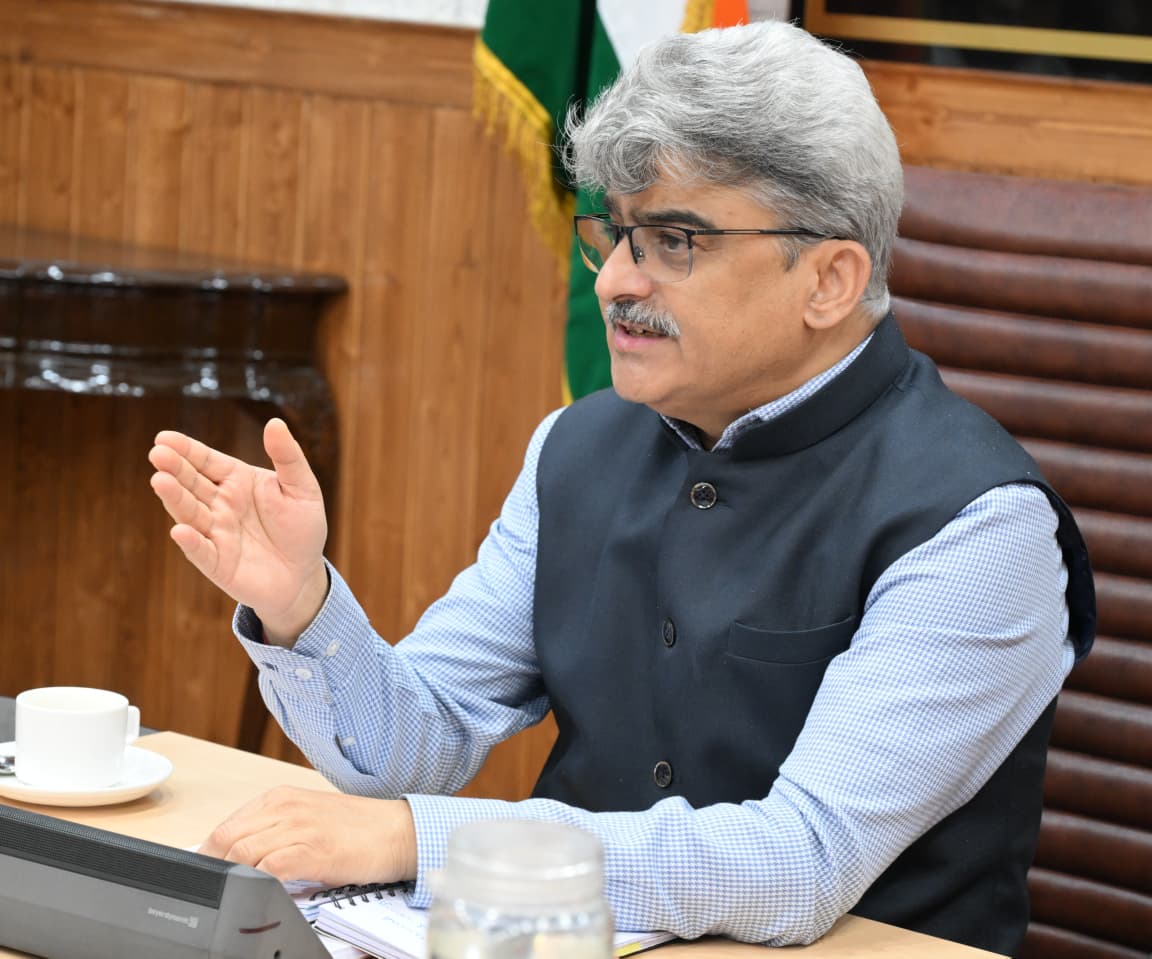
SRINAGAR, June 17, 2026 — Chief Secretary Atal Dulloo has established a robust, data-driven framework designed to aggressively reduce multidimensional poverty across Jammu and Kashmir by targeting high-deprivation zones and integrating existing social welfare programs. Chairing a high-level review meeting attended by administrative heads from finance, health, education, and social welfare alongside regional deputy commissioners, Dulloo highlighted the necessity of isolating vulnerable households at the district level. The administration will initially prioritize Antyodaya Anna Yojana families to ensure government interventions directly eliminate disparities in health, education, and standard of living. To maximize the accuracy of these initiatives, the Planning Department has been instructed to create a standardized survey format and conduct a comprehensive analysis of upcoming National Family Health Survey data to build highly customized, district-specific action plans.
The strategic shift emphasizes the convergence of heavily funded centrally sponsored schemes to maximize their collective impact on poverty headcount ratios. Flagship programs including the National Food Security Act, Ayushman Bharat, the National Education Policy, and Ujjwala Yojana will serve as core instruments to boost living standards, with the Finance Department actively advising districts to integrate these targeted poverty reduction metrics directly into their annual development budgets. Policymakers are relying heavily on these frameworks as the Multidimensional Poverty Index tracks complex structural deprivations beyond simple income metrics. According to historical data points from the previous survey cycle, Jammu and Kashmir has already registered an impressive decline in its overall poverty headcount ratio, which plummeted from 12.56 percent down to 4.80 percent, effectively lifting over 10.45 lakh individuals out of poverty and positioning the Union Territory to beat the 2030 Sustainable Development Goal poverty reduction targets ahead of schedule.
While rural areas showed the most dramatic progress by cutting poverty levels from 16.37 percent to 6.10 percent, a detailed district-wise breakdown reveals sharp internal disparities that the new administrative framework aims to correct. Districts like Doda, Ramban, Rajouri, Poonch, and Udhampur achieved the steepest historical declines, yet areas such as Ramban and Reasi continue to experience the highest remaining poverty ratios at 14.86 percent and 11.40 percent respectively. In stark contrast, industrialized urban hubs like Jammu and Srinagar recorded remarkably low poverty ratios of 0.49 percent and 1.34 percent. Because absolute population volumes of vulnerable citizens remain high in districts like Baramulla and Kupwara, the Chief Secretary’s new directive forces localized administrations to abandon one-size-fits-all strategies, opting instead for capital-reinforced local intervention models that bridge specific infrastructure and social protection gaps.