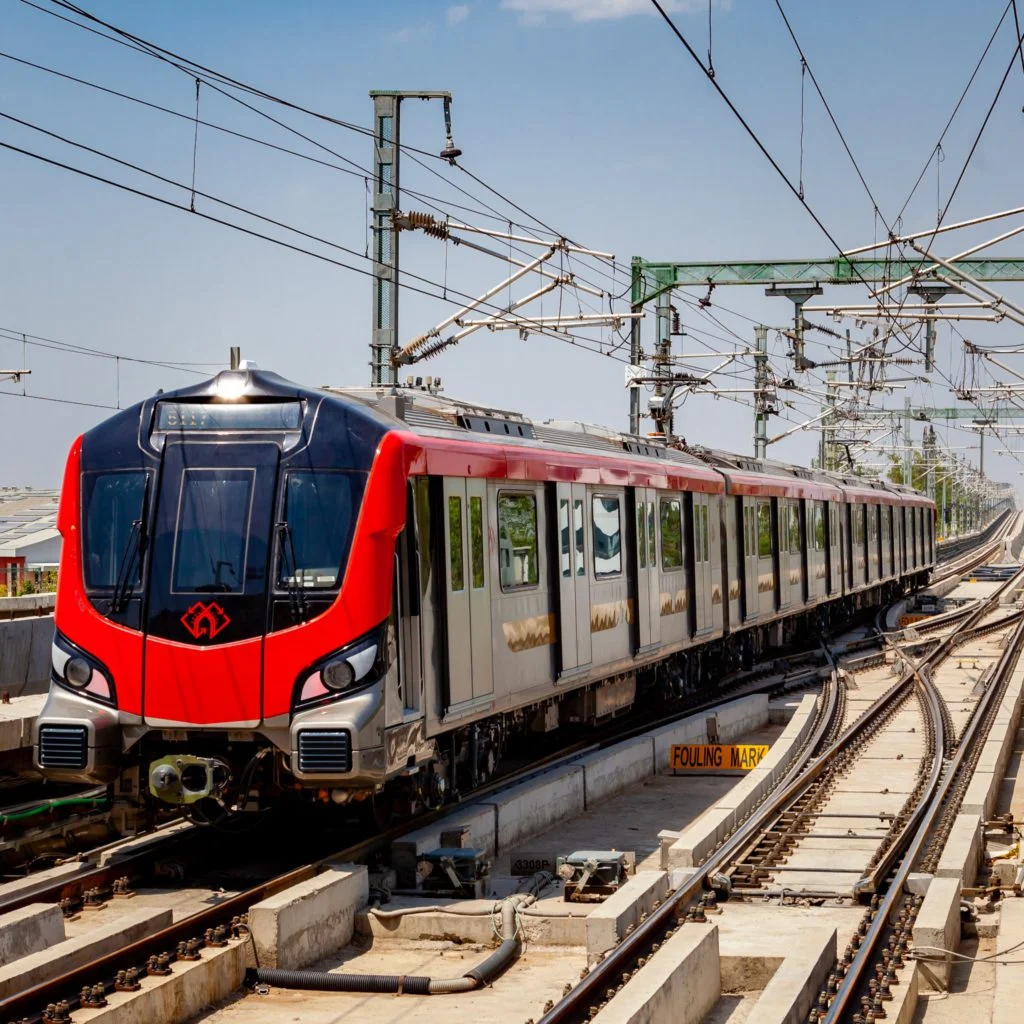
NEW DELHI, May 17 — Recognizing the critical role of mass transit in ensuring energy security, economic resilience, and environmental sustainability, the Delhi Metro Rail Corporation is undertaking a series of strategic initiatives to facilitate greater adoption of metro services while enhancing commuter convenience, safety, and accessibility.
Anticipating a likely shift from road travel to the metro, the corporation will introduce 24 additional train trips utilizing six additional trains every Monday starting from May 18, 2026, with further capacity expansions on other days as required. To manage this increased passenger volume smoothly, security personnel and ticketing counters will be augmented, spare baggage scanners and door frame metal detectors will be activated, and frisking point waiting times will be reduced.
The integrated transport framework provides seamless intermodal connectivity with railway stations, major Interstate Bus Terminals, airport terminals, the Namo Bharat Regional Rapid Transit System, Noida Metro, and Gurgaon Rapid Metro, significantly reducing dependency on private vehicles.
Furthermore, the network ensures safe and swift connectivity to major marketplaces, government ministries, corporate hubs, educational institutions, and heritage destinations across Delhi-NCR.
To bridge the gap between stations and final destinations, an expansive last-mile ecosystem featuring e-autos, e-rickshaws, bike taxis, and bicycle rentals has been developed across 160 stations, augmented by a hydrogen-based bus service in the Central Vista area and 1,500 Delhi Transport Corporation Devi buses operating at 52 stations.
Additionally, park-and-ride facilities are operational at 126 stations to encourage commuters to park personal vehicles and continue their journeys via the metro.
To simplify access and eliminate station queues, advanced digital ticketing solutions have been adopted, including QR code tickets, the National Common Mobility Card, WhatsApp ticketing, and integrations with Paytm, PhonePe, Amazon, IRCTC, and the Open Network for Digital Commerce.
The DMRC Momentum 2.0 app further serves as an integrated platform allowing commuters to book metro tickets, auto-rickshaws, bike taxis, and smart door-to-door services through a single transaction interface. Through these comprehensive measures, the corporation remains committed to supporting national priorities of reducing fuel dependency, promoting sustainable mobility, and strengthening economic resilience by positioning the Delhi Metro as a cornerstone of India’s urban transport future.