
J&K Chief Secretary Mandates Time-Bound Overhaul of Recruitment Rules via New Digital Portal
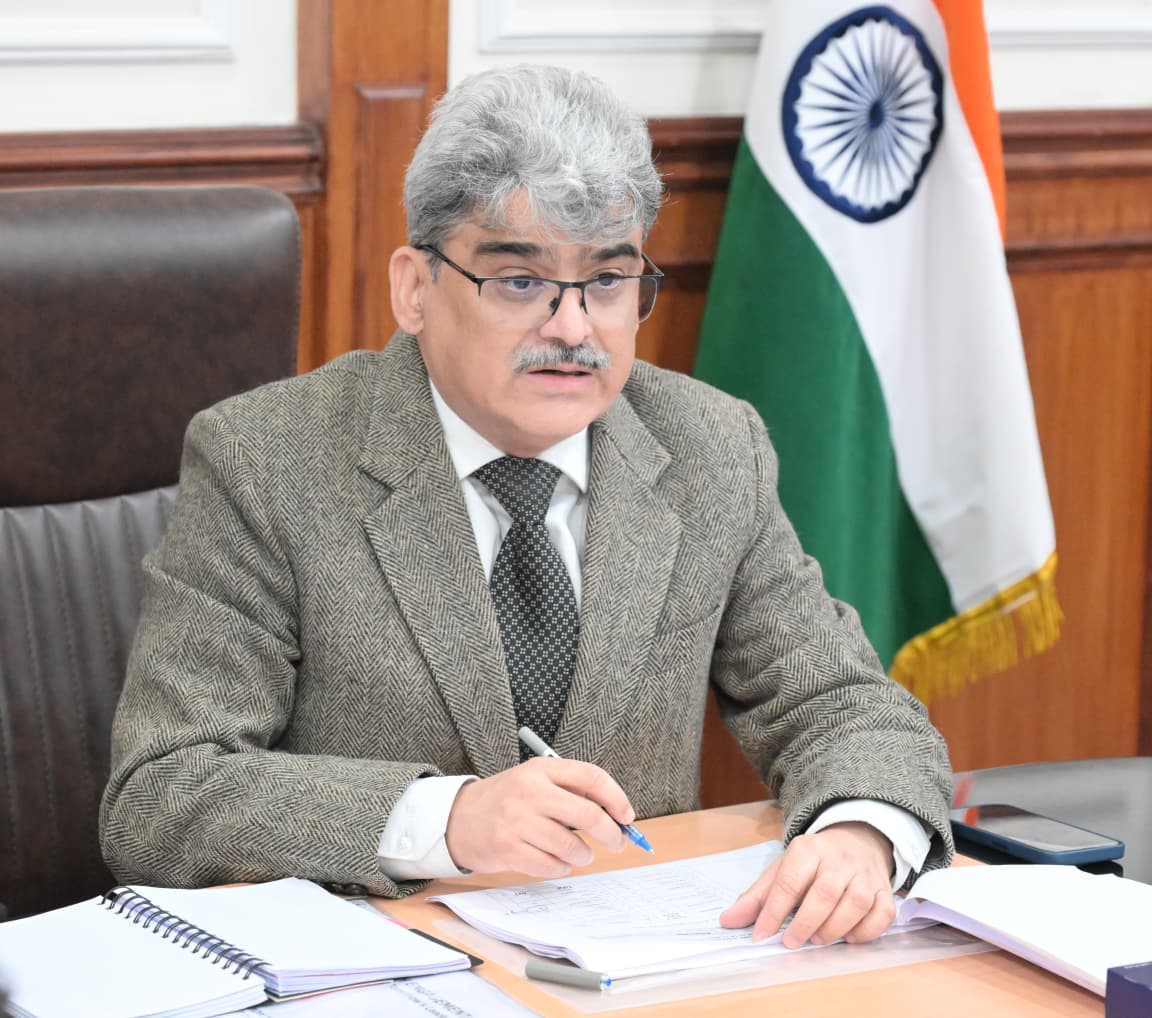
JAMMU | March 25, 2026Chief Secretary Atal Dulloo chaired a high-level review meeting today to expedite the comprehensive updation of Recruitment Rules (RRs) across all departments in Jammu and Kashmir.
Emphasizing a “mission mode” approach, the Chief Secretary directed Administrative Secretaries to finalize these rules within a strict timeframe to ensure a transparent, merit-based, and efficient recruitment framework.
This initiative is designed to eliminate administrative delays, address employee welfare, and facilitate the prompt filling of vacancies across the Union Territory.
During the deliberations, key departments such as Health, Education, Revenue, and Agriculture were specifically instructed to resolve pending mapping issues and harmonize their structures with modern governance standards without further delay.
A significant shift toward digital governance was highlighted during the meeting by Commissioner Secretary of ARI & Trainings, Shabnam Shah Kamili. A dedicated online portal, developed in collaboration with BISAG-N, has been made fully operational to streamline the submission and review of recruitment proposals.
In a major policy shift, the government announced that all offline submissions for Recruitment Rules will be officially discontinued starting April 1, 2026. To support this transition, the portal has already undergone successful security audits and integrated SMS-based communication features, with extensive training sessions already completed for departmental Nodal Officers to ensure a seamless migration to the digital system.
The meeting also touched upon the substantial progress made by the Standing Committee, which has held 53 meetings since early 2024, resulting in the finalization of rules for 33 services and the drafting of 81 others.
Beyond mere procedural updates, the overhaul aims to fix structural gaps, such as outdated pay scales from the 5th and 6th Pay Commissions and stagnation in post allocations.
By adopting uniform model rules for ministerial staff and clearly defining parameters like “experience,” the government seeks to remove ambiguity and ensure fairness.
This robust, technology-driven framework underscores the administration’s resolve to modernize the bureaucracy and safeguard the interests of government employees.