
Jammu & Kashmir Govt to Enforce Ethical Media Standards; Deputy CM Warns Against Fake News Menace
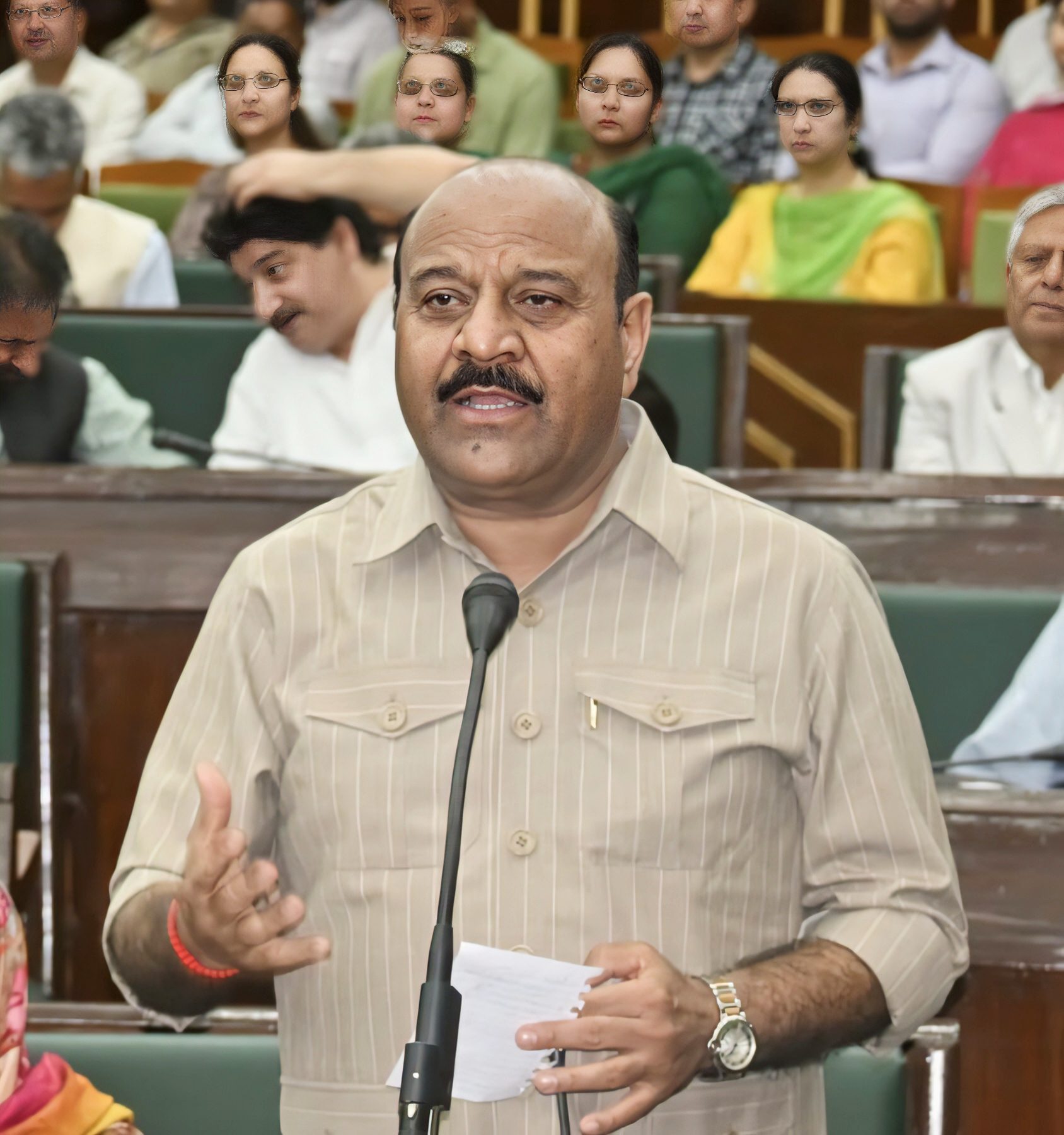
Jammu March 27, 2026 — During a high-stakes session of the Jammu and Kashmir Legislative Assembly, Deputy Chief Minister Surinder Choudhary underscored the government’s commitment to implementing corrective measures for ethical news dissemination.
Addressing the House during the Budget Session 2026, Choudhary lauded the media as the “fourth pillar of democracy” for its historic role in the nation’s freedom struggle but expressed deep concern over the declining credibility caused by unverified digital content.
He emphasized that while the advent of social media was intended to empower citizens, it has introduced severe challenges that threaten the fabric of society.
The Deputy CM called for a dual approach: government-led regulatory action and rigorous media introspection, asserting that a strong and responsible media is essential for a “Strong J&K and a Strong India.
“The legislative proceedings saw a rare, broad-based consensus across party lines regarding the urgent need to curb misinformation. Minister for Youth Services and Sports, Satish Sharma, demanded exemplary punishment for those spreading disinformation to restore public trust.
This sentiment was echoed by various MLAs, including Ranbir Singh Pathania, who proposed a sophisticated regulatory framework featuring a 36-hour content takedown mechanism and the establishment of a UT-level Fact Check Unit (FCU).
Legislators highlighted the rise of unregulated “free-for-all” digital portals on platforms like Facebook and Instagram, with several members—including Dr. Sajjad Shafi and Iftikhar Ahmad—recommending minimum educational qualifications and mandatory registration for individuals practicing journalism to ensure professional accountability.
The discussion also touched upon the personal and social toll of digital character assassination. MLA Nazir Ahmad Khan (Gurezi) warned that reputations tarnished by fake news are nearly impossible to restore, while MLA Sham Lal Sharma suggested the formation of a House Committee in coordination with accredited media representatives to oversee ethical standards.
From calls for district-level monitoring by Development Commissioners to the implementation of global best practices like the Online Safety Act, the Assembly concluded with a firm resolve to protect freedom of speech while ensuring it is not misinterpreted as a license for defamation.
The government’s final stance remained clear: self-discipline and ethical conduct are the only sustainable paths to maintaining the integrity of the information space.